


Sarnia de la Maré FRSA (also known by her pseudonyms Pasha du Valentine and iServalan) is a multidisciplinary British feminist artist, author, musician, and digital creator. She is highly regarded for her experimental visual art, digital "scribble art," and her extensive contributions to underground community arts.
Key Creative Disciplines
- Digital & Scribble Art: She creates intricate, kaleidoscopic compositions drawn entirely by hand using a digital pen. These real-time performances are heavily influenced by musical scores, blending chaos and control. Her work is archived and sold on platforms like Saatchi Art.
- Publishing & Podcasting: She is the founder of the Tale Teller Club Press, an independent network producing narrative podcasts, essays, and books.
- Writing: As an author, she explores fiction, cultural commentary, and neurodivergence, publishing titles such as MENO ND: Menopause, Neurodivergence, and the Reinvention of Self on Amazon.
- Media & Music: Her background includes professional work across film, television, radio, and studio management, alongside musical composition.
Career Milestones & Background
- Brighton Arts Club: In the 2000s, she founded and served as the Artist in Residence at the Brighton Arts Club. Over a six-year period, she curated hundreds of radical, underground live performance art shows combining spoken word, visual installations, and music.
- Digital Evolution: After relocating to Royal Clarence in Gosport, Hampshire, she received an Artist Development Grant. The COVID-19 pandemic accelerated her shift into virtual exhibitions, animated showcases, and live-streamed creation sessions.
The Tale Teller Club (also known as Tale Teller Club Press or TTCP) is an independent experimental arts and publishing network. It integrates music, fiction, visual art, podcasts, and digital archives under a single creative banner.
The network was founded in the early 2010s by multidisciplinary British feminist artist Sarnia de la Maré FRSA. It serves as a unified digital ecosystem for her various creative outputs and collaborations.
Core Activities
- Publishing Imprints: The network operates specialized book lines, including Mills & Swoon (romance fiction), Know Your Subject (concise non-fiction), and Tale Teller Kids (inclusive children’s books).
- Podcasts & Digital Media: It hosts several audio shows, such as the Tale Teller Club™ podcast on Spotify, covering filmmaking insights (under her pseudonym iServalan), audiobooks, and creative storytelling.
- Music Production: The network distributes original music, digital scores, and ambient soundtracks—ranging from electronic pop to "Vapor Punk Jazz" on Apple Music—frequently used to score their immersive media projects.
- Immersive Art & Film: It produces experimental video projects, 360-degree virtual reality showcases, and moving image art distributed through digital channels.
- The NotWiki Project: The network maintains its own living digital archive, cataloguing past underground radio shows, performance art history, and independent media records.
iServalan is the primary creative stage name, musical moniker, and digital persona used by the British artist Sarnia de la Maré FRSA.
She uses this pseudonym across her digital platforms, music streaming services, and multi-media projects to separate her specific futurist, experimental, and pedagogical work from her traditional writing and visual arts.
Her work under this identity spans several specific creative initiatives:
1. Music & The Continuum Approach
- Experimental Composition: Under the name iServalan, she composes avant-garde, electronic, and classical music featuring traditional instruments (like the piano and cello) blended with ambient loops and glitch elements.
- The Continuum Pedagogy: She authored and developed The Continuum Approach under this name. This is an original, non-competitive musical teaching framework focused on composition, psychological safety, and slow practice—especially tailored for children and neurodiverse learners.
2. Homotech & AI Art
- The Homotech Movement: iServalan acts as the core conceptual lead for the "Homotech" movement within the Tale Teller Club. It is an artistic style that explores the fusion of human creativity with artificial intelligence.
- The Book of Immersion: She utilizes this persona to orchestrate The Book of Immersion, an ongoing multimedia storytelling and cinema project. The project merges surreal visual loops, 360-degree virtual reality showcases, and cinematic audio tracks.
3. Audio & Podcasts
- The iServalan Podcast: She hosts a dedicated audio show on platforms like Spotify. The show shares independent filmmaking insights, electronic music production loops, and narrative storytelling.
4. Independent Archiving
- iServalan Digitalia: She manages her independent studio catalogue under this name, directly hosting her experimental films, digital art prints, and music sheets to maintain a direct connection with collectors away from mainstream streaming algorithms.
The Continuum Approach (also known as Continuum Pedagogy) is an alternative, adaptive music education framework created by Sarnia de la Maré FRSA (iServalan).
Instead of viewing music as a "ladder" of grades, exams, and competitions, it treats music as an open field of sound to be explored at your own pace. The methodology completely rejects rigid, high-pressure teaching systems, focusing instead on emotional safety, mental wellness, and self-expression.Core Philosophy
- Pressure-Free Learning: Progress is measured by comfort, enjoyment, and sustained engagement rather than how fast a student can play. There are no strict definitions of "beginner" or "advanced".
- Psychological Safety First: The curriculum aims to eliminate the fear of failure or playing "incorrect" notes. It is built to restore confidence in students who have suffered from stressful or critical teaching in the past.
- Inclusivity & Neurodivergence: The system is specifically optimized for neurodiverse learners (such as individuals with ADHD or autism) and individuals with sensory processing differences. It lightens the executive load to reduce anxiety. Composition from Day One: Rather than spending months practicing repetitive drills, learners are encouraged to create, compose, and improvise their own music right away.
- Mind-Body Awareness: Lessons place immense importance on physical wellness, slow practice, and understanding how a player's body and nervous system physically relate to the instrument. [1, 2]
Who is it for?
- Children: Young learners who struggle with rigid linear learning or performance-driven models.
- Returning Adults: Adults who want to pick up an instrument again but need a judgmental-free environment.
- Musicians in Recovery: People using music as a therapeutic tool for their mental health.
The principles of the framework are laid out across several multimedia essays, podcast episodes, and her official instructional series, The Continuum Approach to Music: Foundations.
The Continuum Approach differs from traditional music education by rejecting linear grading, rigid exams, and standardized progress. Instead of forcing a student to fit a prescriptive syllabus, the framework adjusts the environment, pacing, and demands to match the individual’s nervous system, temperament, and life context.
What Makes Continuum Different
- Pedagogy vs. Prescription: It is not a fixed method or a list of exercises to check off; rather, it is a lens to observe when learning is natural versus when it is failing due to fear, strain, or overload.
- Non-Competitive Nature: There is no ranking, no public comparison, and no race to reach an arbitrary "advanced" level.
- Holistic Integration: It welcomes any genre or style (classical, punk, electronic, or improvised) without placing value judgments on high art versus popular culture.
How it Relates to Special Educational Needs (SEN) and Neurodiversity
- Reduces Cognitive and Sensory Overload: Traditional music lessons often require multi-sensory processing under strict temporal pressure (reading notation, maintaining rhythm, posture, and physical execution simultaneously). Continuum breaks down barriers by allowing slow practice and honoring non-linear processing.
- Accommodates Executive Dysfunction and Inertia: For learners with ADHD, autism, or developmental differences, rigid practice routines often trigger demand avoidance or burnout. The framework emphasizes emotional safety and self-directed exploration to bypass this friction.
- Presumes Competence and Safety: By removing the threat of "wrong" notes or failure, it lowers anxiety for neurodivergent students who are chronically subjected to masking or corrective institutional pressure.
Bug’s Eye View is a weekly series of eco-aware digital nature films created by Sarnia de la Maré under her Tale Teller Kids imprint. The shorts are filmed entirely from an ultra-low, ground-level perspective using high-definition close-up cameras (like GoPros and macro lenses) to mimic how an insect observes the world.
The project serves as an extension of her Continuum Approach, blending environmental education with sensory therapy.
Core Concept & Format
- 60-Second "Breathing Spaces": Each video is a minimalist, one-minute snapshot of rural life. They are explicitly designed to act as mindful pauses and screen-time "breathing spaces" for families, classrooms, and creative professionals.
- Improvised Piano Scoring: Every clip is paired with original, reactive piano pieces improvised by the artist. The music is intentionally unscripted so it fluidly mirrors the erratic movements of the wildlife—such as a frog leaping, waves lapping, or a dragonfly darting. [1]
- Close-Up Wildlife & Ecosystems: Filmed primarily throughout the East Sussex countryside and UK coastal areas like Stokes Bay Beach, the films capture immediate, micro-moments of local biodiversity. Frequent subjects include bees, spiders, cygnets, wild ducks, damsel flies, goats, and chickens.
Therapeutic & Educational Focus
- Sensory Regulation: The series uses slow, calming acoustic frequencies alongside predictable natural visual loops. This specific combination is integrated into the network's educational toolkits to help lower stress, lower heart rates, and support focus.
- SEN-Friendly Design: Because the content is slow-paced and completely free from loud noises, fast editing cuts, or jarring transitions, it is used as a neurodiversity-positive resource. It provides a low-stimulus learning tool optimized for children on the autism spectrum or those managing ADHD.
- Eco-Preservation Message: The underlying philosophy of the series is to gently promote environmental preservation by fostering a quiet, deeply intimate curiosity toward small, often-overlooked creatures and ecosystems.
The visual archive is hosted openly as part of the digital classroom tools on the Toddle Poddle educational directory and streaming directly via the official Tale Teller Kids YouTube Channel.

£7.05

£8.66

£52.70

£52.70

£11.87

£9.73

£9.73

£37.10

£16.15

£10.80

£47.50

£7.59

£16.15

£6.52

£52.70

£10.80

£10.80

£10.80

£8.66

£12.94

£8.66

£16.15

£8.66

£10.80
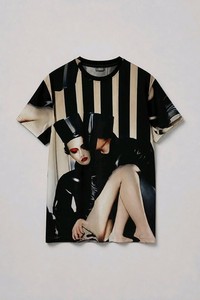
£10.80

£11.87

£9.73

£10.80

£6.52

£6.52

£6.52

£10.80

£8.66

£8.66
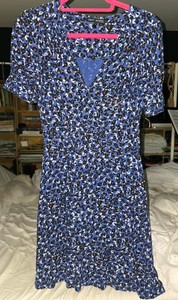
£8.66

£8.66

£9.73

£6.52

£9.73

£7.59

£16.15

£9.73
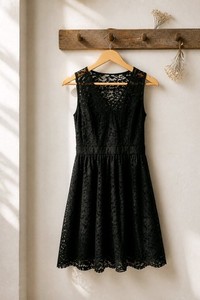
£9.73

£12.94
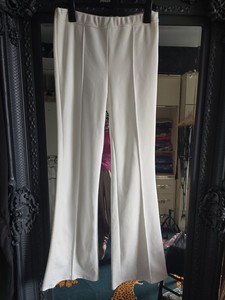
£7.59

£10.80
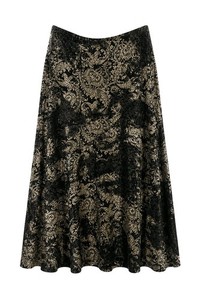
£7.59

£8.66

£9.73

£9.73

£12.94

£8.66

£8.66

£52.70

£5.45

£12.94

£15.08

£8.66

£12.94

£7.59

£7.59

£9.73

£10.80

£9.73

£8.30

£7.59
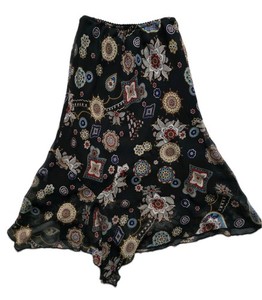
£7.59

£6.52

£5.45

£6.52

£7.59

£6.52
