Tuesday, December 2, 2025

Studio 916: A New Monthly Magazine From My Creative Studio


Studio 916: A New Monthly Magazine From My Creative Studio

Post:
Over the past year my creative work has expanded across literature, film, sound, movement, and editorial writing. I’ve been looking for a space where these different strands can coexist in a coherent, curated way.
Today I’m delighted to announce the soft launch of Studio 916, a monthly digital magazine produced entirely within my studio.

Studio 916 will weave together:

• new writing — poems, short fiction, and chapters
• notes and images from film production (916 Cinema)
• essays on creativity, process, and storytelling
• studio photography and visual experiments
• updates from ongoing projects across my artistic universe

The magazine will be available exclusively on Gumroad as a studio-edition publication — designed for readers who enjoy cross-disciplinary work and prefer to follow an artist’s world directly at the source.

Thank you for continuing this journey with me.
Issue No.1 will be published soon.

— Sarnia de la Maré FRSA
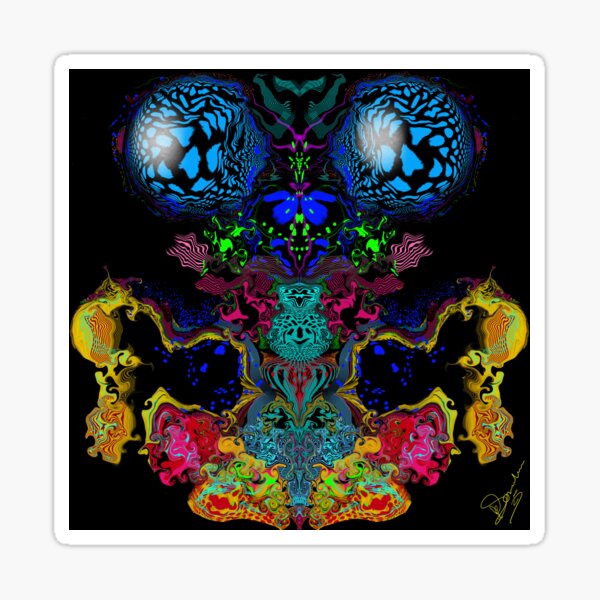

The Fly Queen by iServalan Hyper Moving Liquid Style in Full Colour Sticker
From £1.30
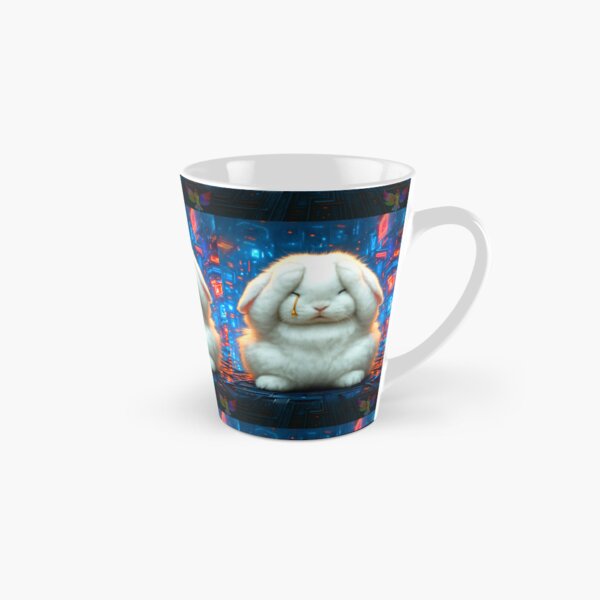


Crying Rabbit by iServalan for Neuro Books by Tale Teller Club Press Tall Mug
£10.02
£13.37 (25% off)
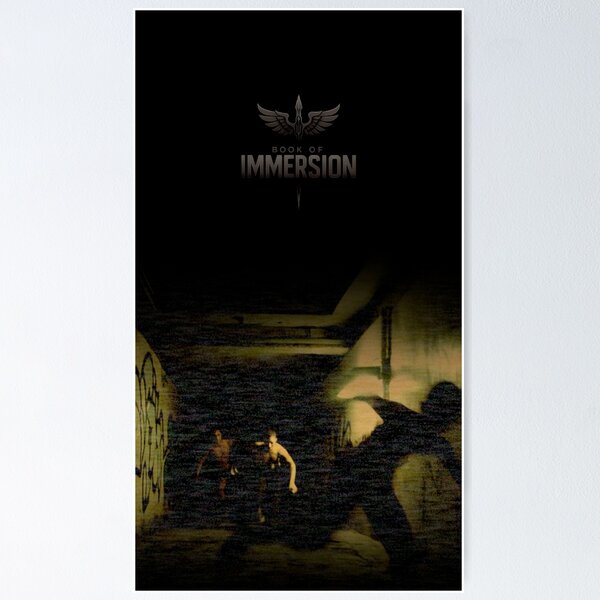


Immersion Static – Strata 1 Ep 5 VISIONS (Crime-Zone Analogue Sci-Fi Poster no text) Poster
£8.55
£12.19 (30% off)
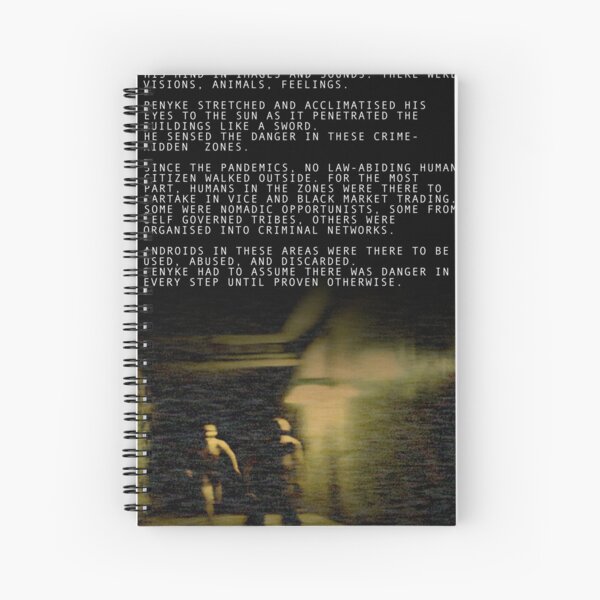


Immersion Static – Strata 1 Ep 5 Visions (Analogue Surveillance Poster with text) Spiral Notebook
£8.13
£11.59 (30% off)
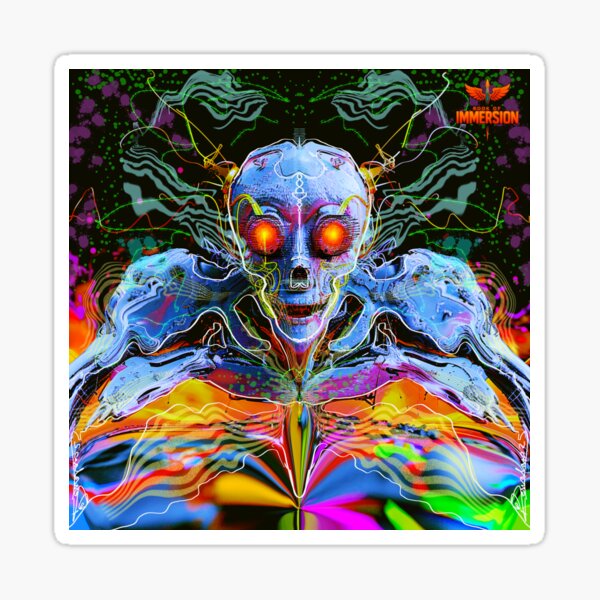


BOI Strata 1 Movie Still by iServalan Renyke is Old Sticker
From £1.30



Sketching the News — #3: Trumping Through the Epstein Files iPhone Soft Case
£19.30
£25.71 (25% off)
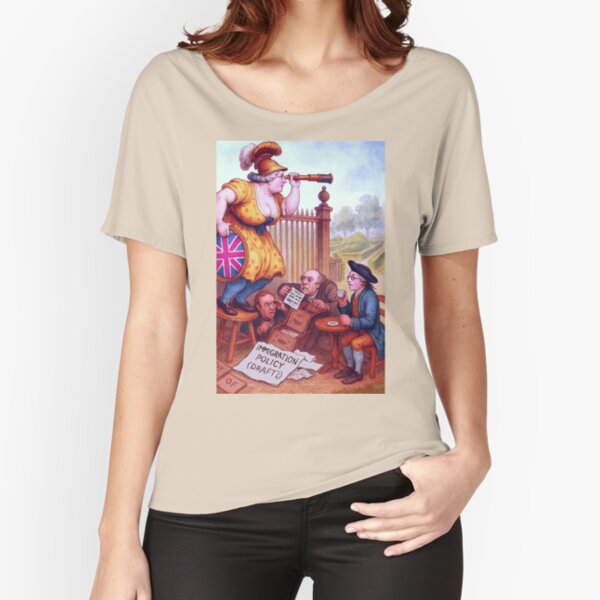


Sketching the News — #2: Britain Copies Denmark Without Reading the Instructions Relaxed Fit T-Shirt
£17.69
£23.56 (25% off)



Sketching the News — #1: Trump, the BBC, and the Licence Fee Shake-Down Holographic Sticker
From £1.90
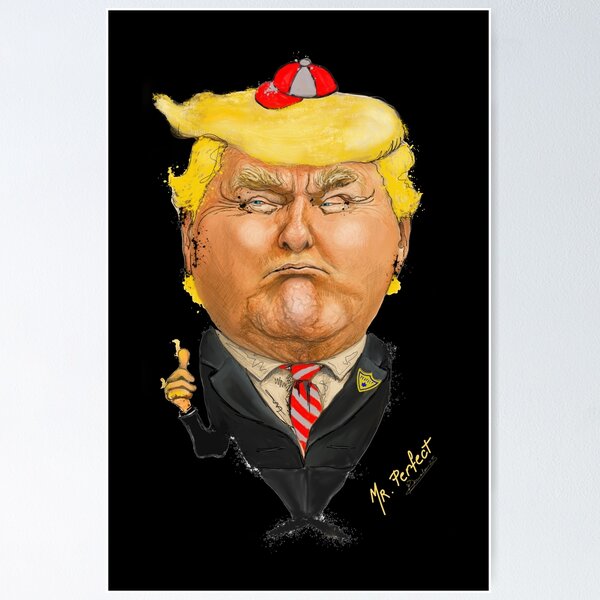


Donald Trump Schoolboy Caricature for Politica UK Cartoons Poster
£8.55
£12.19 (30% off)
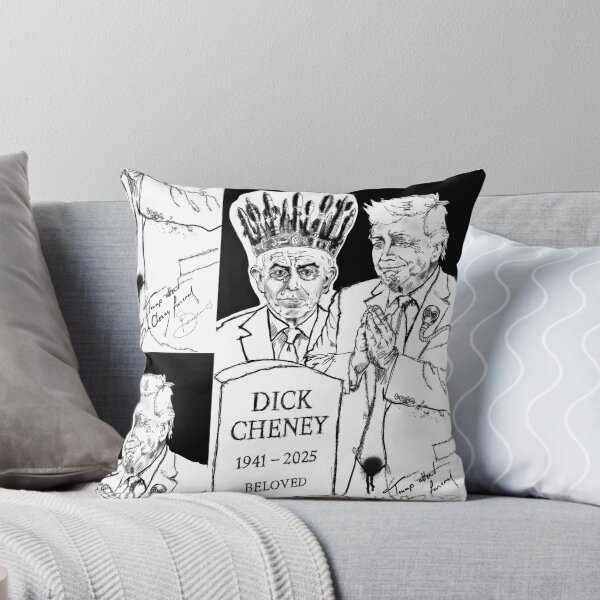


The War Crown: Blair and Trump Attend Cheney’s Funeral (2025) Throw Pillow
£13.84
£18.45 (25% off)
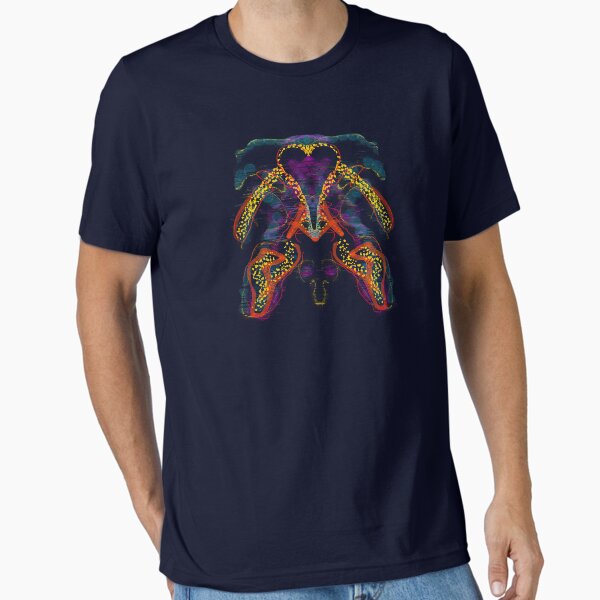


Dog’s Blx no 3 by iServalan DIGITAL AURA Artwork Essential T-Shirt
£15.35
£20.46 (25% off)
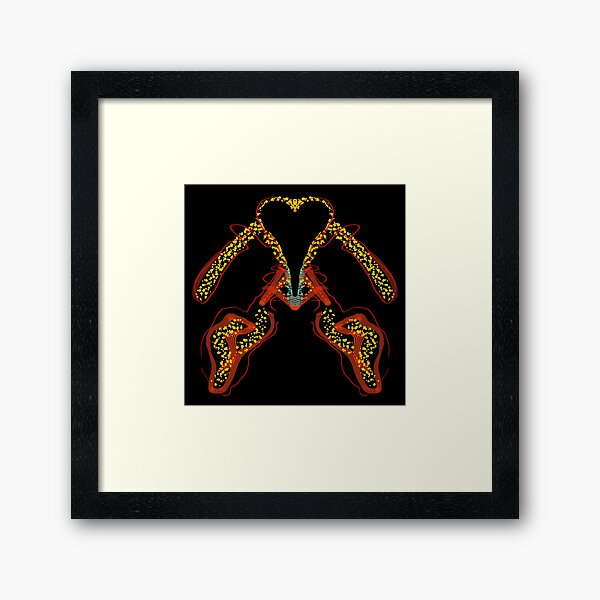


Dog’s Blx no 2 by iServalan AURA Exhibition Art Framed Art Print
£53.52
£71.36 (25% off)
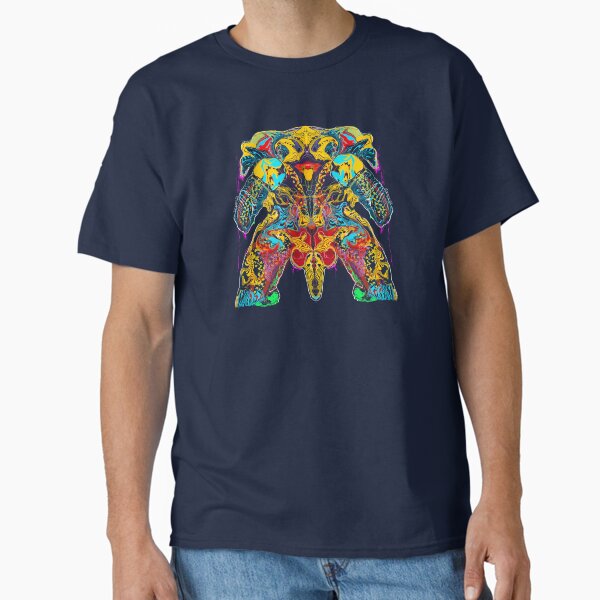


Dog’s Blx no 1 Digital AURA Exhibition Artwork by iServalan Classic T-Shirt
£15.35
£20.46 (25% off)
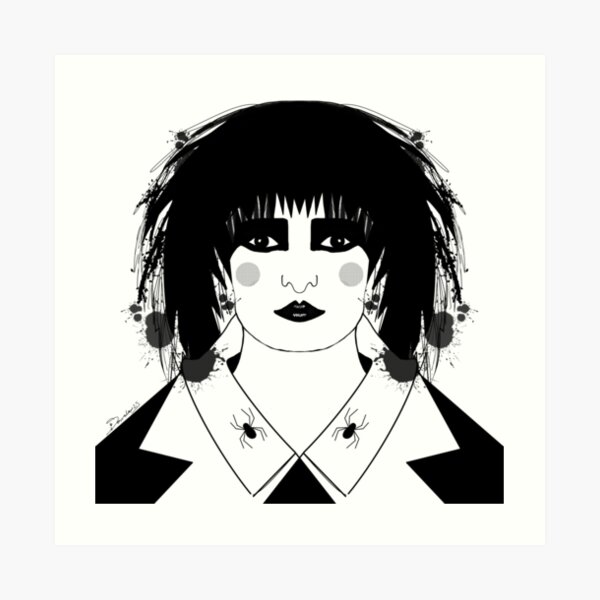


Goth Girl by iServalan for Tale Teller Club Press Art Print
£10.09
£14.42 (30% off)
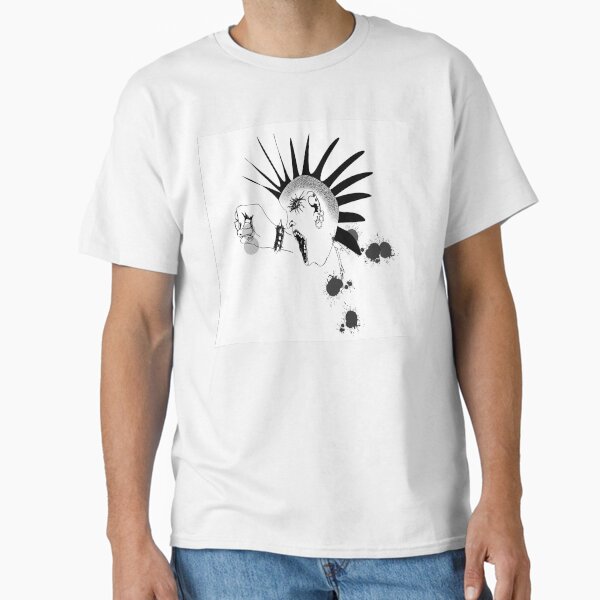


Angry Punk Girl by iServalan for Tale Teller Club Press Classic T-Shirt
£15.35
£20.46 (25% off)
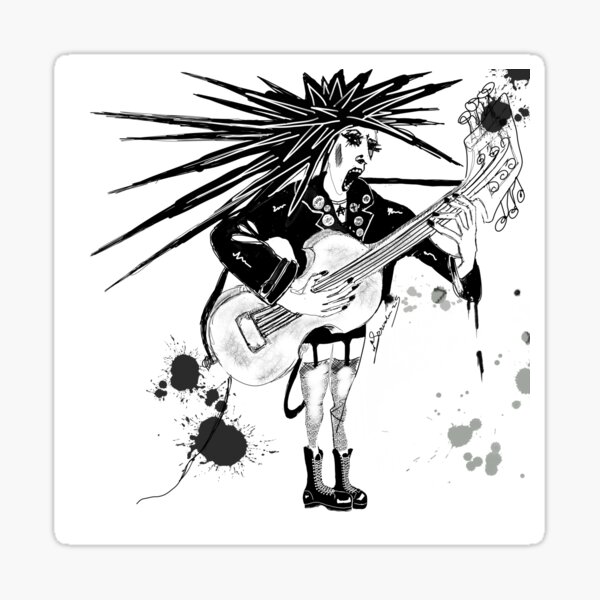


Punk Girl Band Guitarist by iServalan for Tale Teller Club Press Sticker
From £1.30
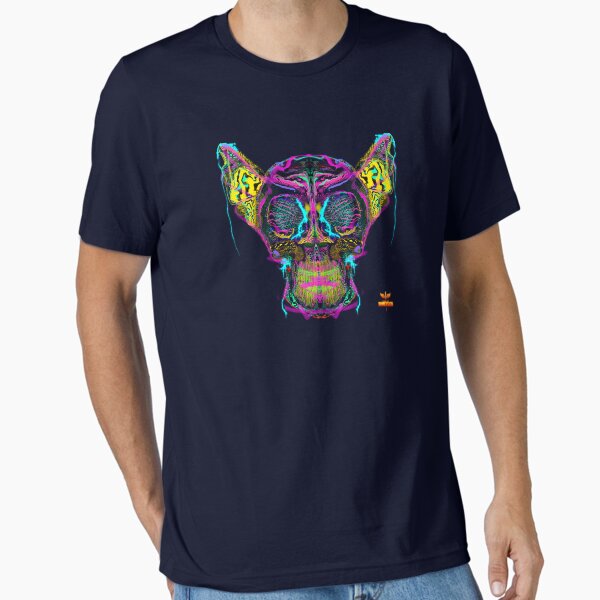


Neural Skull no 1 Strata 20 Book of Immersion no 3 by iServalan Essential T-Shirt
£15.35
£20.46 (25% off)
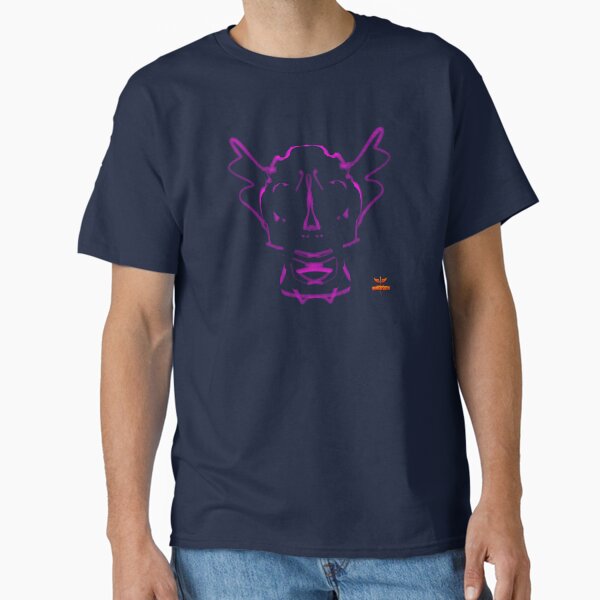


Magenta Neural Skull Strata 20 Book of Immersion no 3 by iServalan Classic T-Shirt
£15.35
£20.46 (25% off)
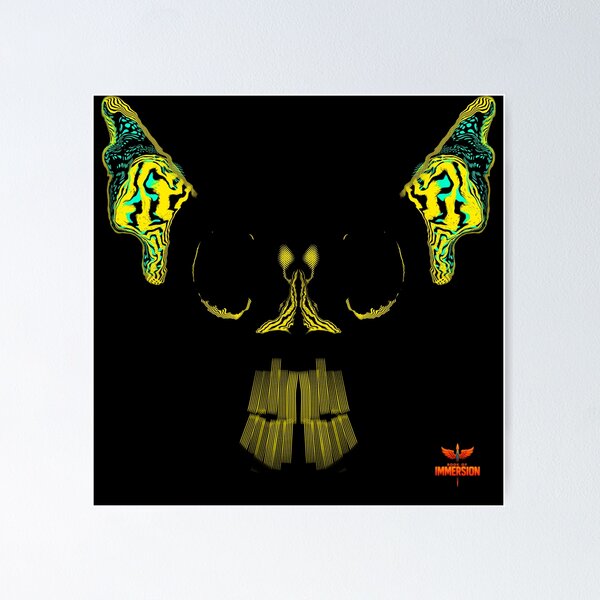


Yellow Neural Skull Strata 20 Book of Immersion no 3 by iServalan Poster
£8.55
£12.19 (30% off)
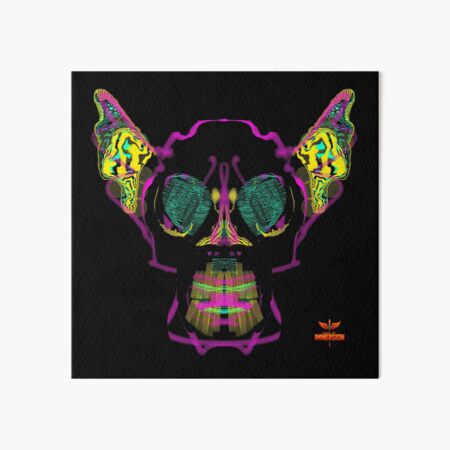


Green Eye Neural Skull Strata 20 Book of Immersion no 4 by iServalan Art Board Print
£8.37
£10.49 (20% off)
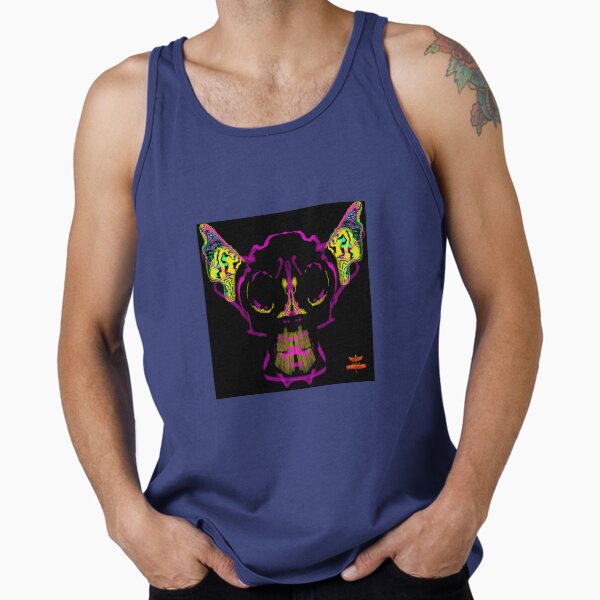


Neural Skull Strata 20 Book of Immersion no 5 by iServalan Tank Top
£17.14
£21.44 (20% off)
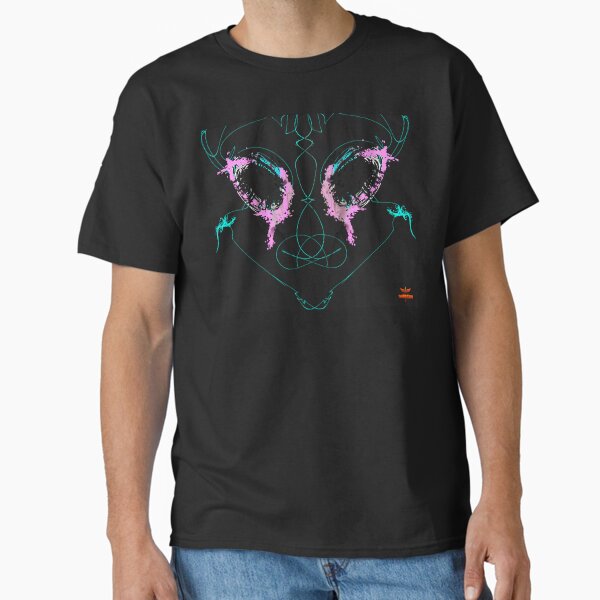


The Cry-Eye (Cyan Insignia Caste III — The Signal-Seers Classic T-Shirt
£15.35
£20.46 (25% off)
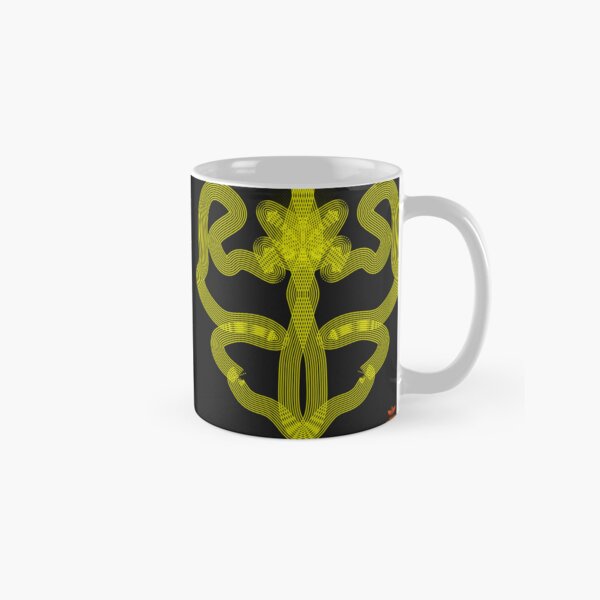


The Warren-Crest Yellow Insignia Caste Vlll — The Engineers of Bone Classic Mug
£10.02
£13.37 (25% off)
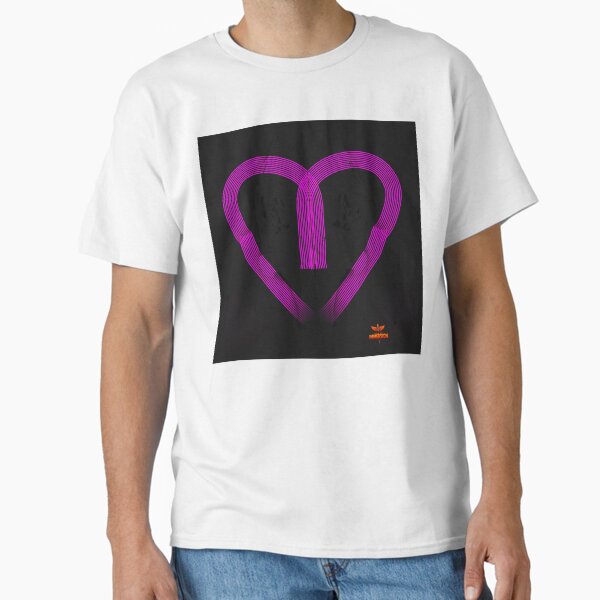


The Heart-Signal (Pink Insignia) Caste I — The Dream-Keepers Classic T-Shirt
£15.35
£20.46 (25% off)
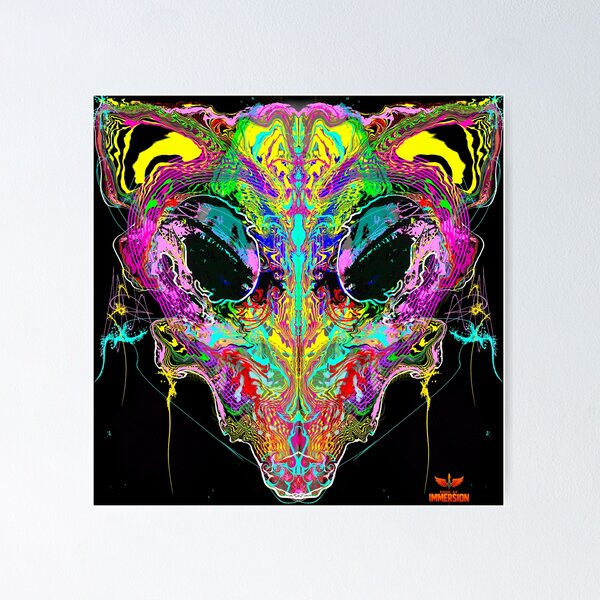


The Gnawmother — Rat Commander of the Burrows Poster
£8.55
£12.19 (30% off)
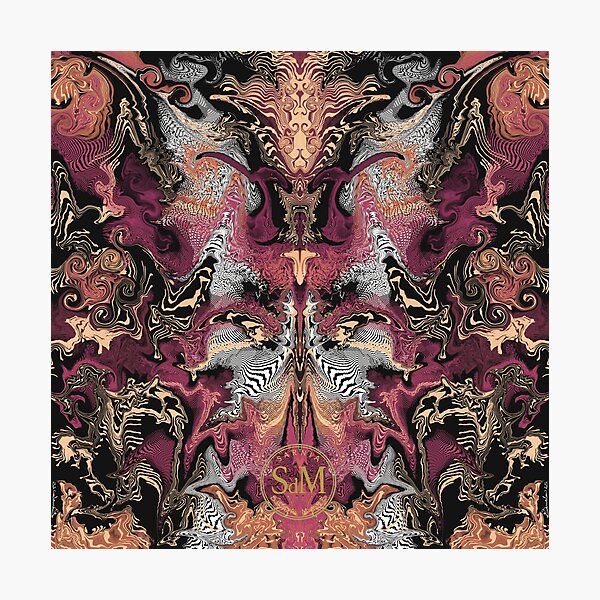


Strata 27 Control Instincts (Loyalty and Choice) Book of Immersion V II Photographic Print
£6.43
£9.20 (30% off)
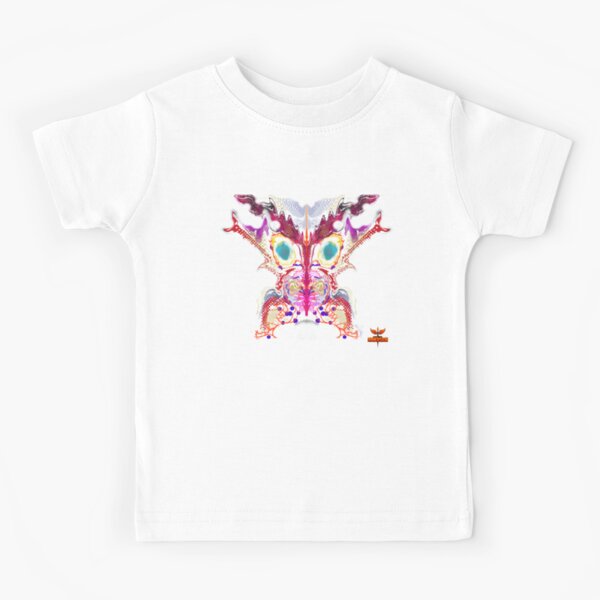


Dinfant Bio and Electronic Mapping Book of Immersion by Sarnia de la Mare Kids T-Shirt
£11.62
£14.52 (20% off)


Mantis Insignia Book of Immersion Art by iServalan Greeting Card
From £1.65
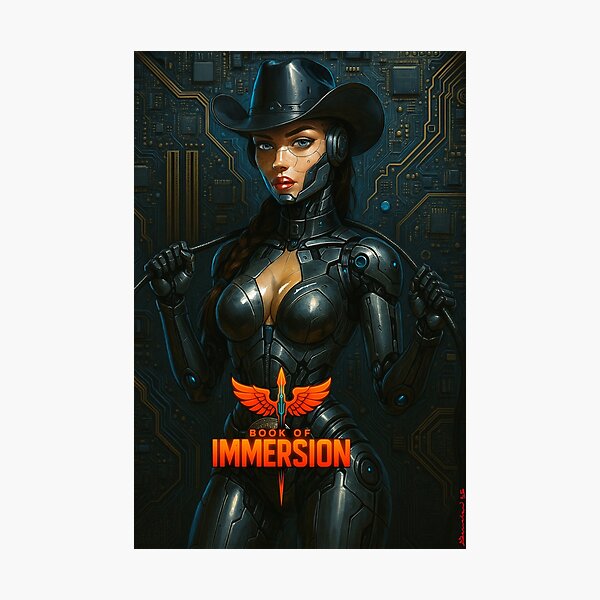


Strata 2 The Maybe Line (Friendship) Book of Immersion V I Art Photographic Print
£6.43
£9.20 (30% off)
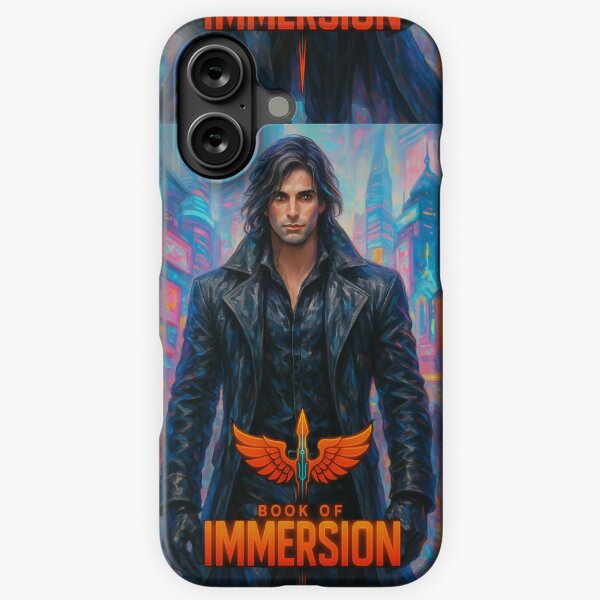


Renyke Begins the Journey – Book of Immersion iPhone Snap Case
£18.57
£24.76 (25% off)
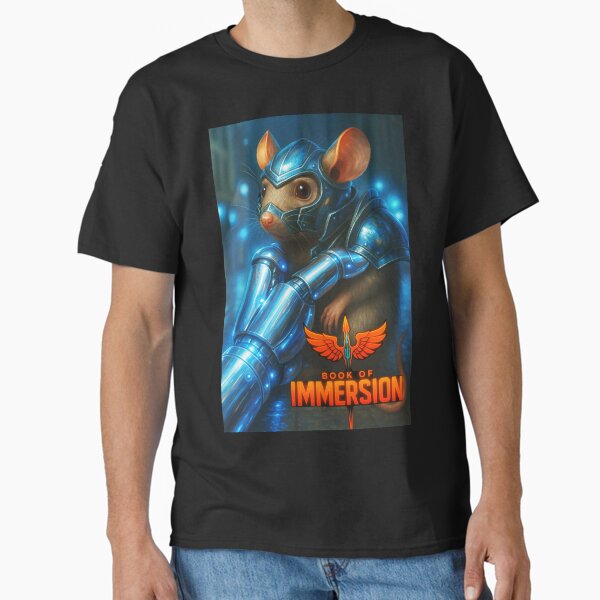


Book of Immersion, The First Sighting of Maybeline Classic T-Shirt
£15.35
£20.46 (25% off)
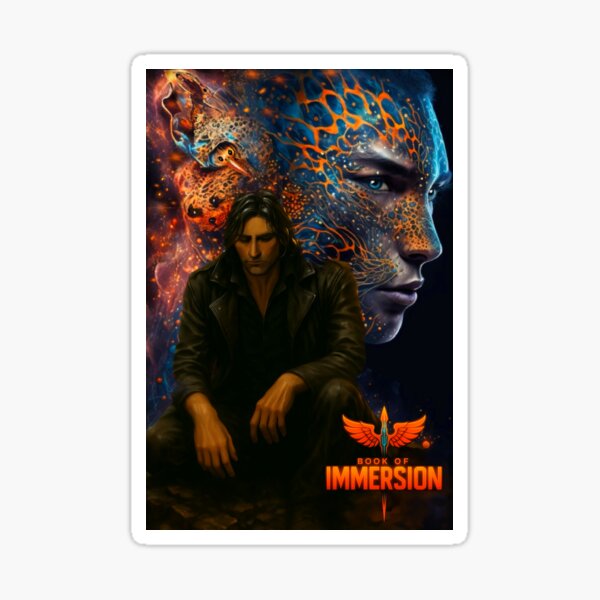


Book of Immersion, Contemplation Sticker
From £1.30
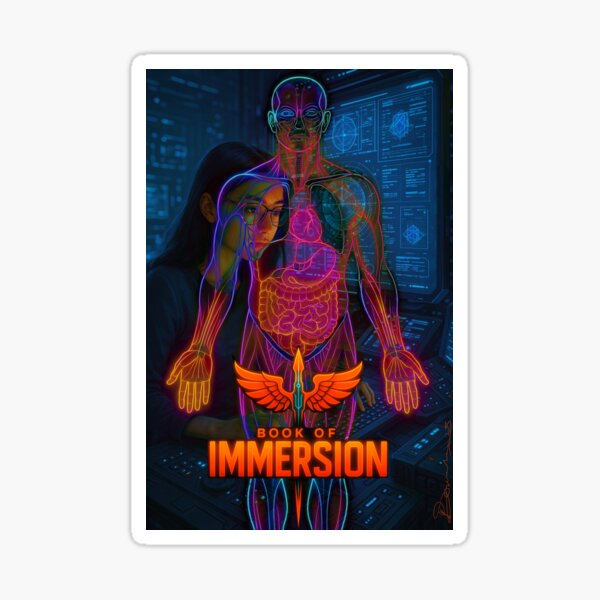


Book of Immersion, Mabel Prepares the Inception Sticker
From £1.30
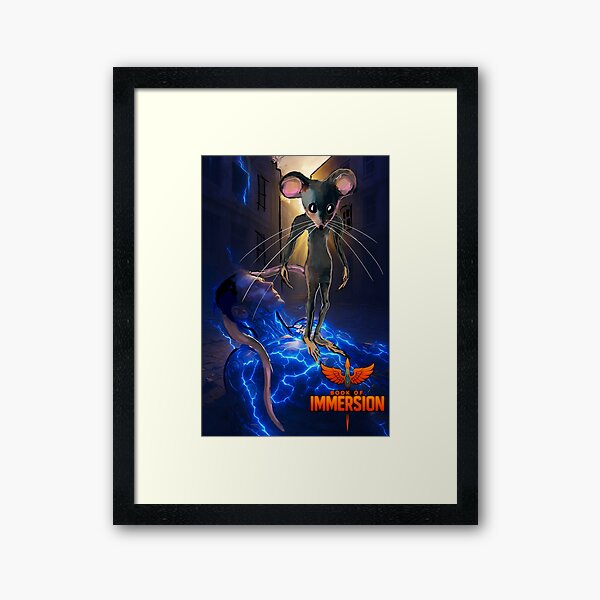


Book of Immersion, Renyke is Alive Framed Art Print
£53.52
£71.36 (25% off)


Book of Immersion, Trepidation Spiral Notebook
£8.13
£11.59 (30% off)


Book of Immersion, the Animals are Watching Poster
£8.55
£12.19 (30% off)


Book of Immersion, Rewired Graphic T-Shirt
£22.30
£27.86 (20% off)


Ableteen Robot Servant Book of Immersion Strata 1 Greeting Card
From £1.65


Book of Immersion – “Butterfly Effect” Illustration Strata 1 Samsung Galaxy Soft Case
£15.00
£20.01 (25% off)


Mercury POS Book of Immersion Strata 1 Collectors Issue Boxy T-Shirt
£23.13
£30.87 (25% off)


Book of Immersion Strata 1 Cover Art Sticker
From £1.30


Book of Immersion Orange Patch Logo Art Sticker
From £1.30
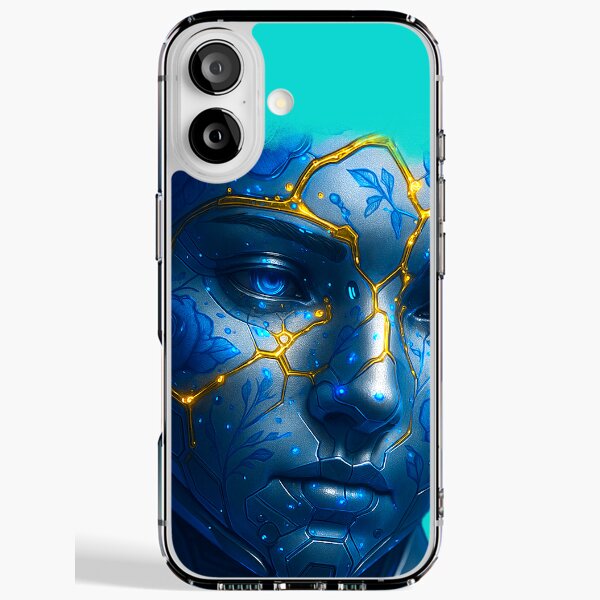


Cyborg Bloom – Futuristic Floral Robot Portrait Ship of Sirens Art by iServalan iPhone Soft Case
£19.30
£25.71 (25% off)
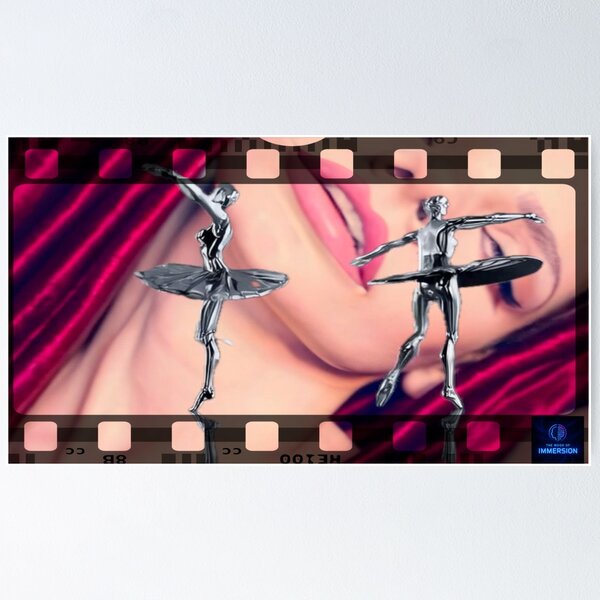


Mr Capricious Music Video Still Art by Tale Teller Club Poster
£8.55
£12.19 (30% off)


Sunday, November 16, 2025

💋 Tara The Time Tourist A Futuristic Mills & Swoon Short by Sarnia de la Maré Daily Flash #4


Welcome to Mills & Swoon, my new series of droll, risqué romance shorts designed for modern readers who want quick escapism with plenty of spice. 


Today’s releases include The Velvet Listener and Tara the Time Tourist, two standalone tales spanning contemporary seduction and futuristic time-slipping passion. Both stories are now live in Mills & Swoon Volume 1, with podcast readings available on the Immersion Static channel. This marks the beginning of a playful new series that blends romance, humour, sensuality, and a touch of the unexpected.

A Futuristic Mills & Swoon Short by Sarnia de la Maré

In 2125, dating had become a clinically miserable experience involving algorithms, psych-screening, and compatibility contracts so invasive they made old-fashioned marriage vows look casual.

Tara Summers was sick of it.

So she booked the only holiday left that required zero algorithmic compatibility data harvesting, sort of. Look, they didn’t send you if you were likely to cause trouble. But on the surface this looked like something that might be right up her futuristic highway. Time Tourism: escape the fake, find the real. This was an undeniably tempting promise.

She didn’t care which era they sent her to. She just wanted two days without predictive emotional analytics shadowing her every sigh. She wanted privacy. Mystery. Maybe even sex without a contract, and with real skin, as in not an android.

The operator grinned as she sealed the chrono-capsule.
“You’re headed to 1812, Miss Summers. Regency period. Very romantic.”

“Romantic?” Tara scoffed. “They didn’t even have plumbing. But I am keeping an open mind, as I am forever hopeful and in my prime.”

“Trust me,” the operator said. “People found ways to entertain themselves.”

The capsule flashed and made a ping-pong noise, whirled a bit, and spat her into a world of rickety transport carriages, mist, and air that smelled like horse poop.

Her landing spot was unfortunate, or fortunate, depending on one’s take on such matters: directly into a man’s arms.

He caught her easily, his grip firm. His chest solid beneath a breeched shirt and his expression equally confused and intrigued. Her buttocks were a perfect fit in the crook of his elbow as he looked at her and raised an eyebrow.

“What in God’s name…” he murmured. “You fell from the hedgerow.”

Tara blinked up at him. He looked carved from the sort of genetics that would, in 2125, cost a fortune to replicate. Wide shoulders. Dark hair. A mouth made for trouble… you know, those plump, soft yet manly lips, we all know what I am talking about here.

“I’m on holiday,” she blurted.

He stared at her attire — a futuristic jumpsuit that shimmered faintly. “From where?”

“Far away.” She offered her hand. “Tara.”

He gently released his manly grip and placed her on the ground. He shook her hand politely. “James Ashbury. And you are… not from Hampshire.”

She laughed. “Not even close.”

The next thing Tara knew, she was in an elegant 1812 mansion where candlelight played beautifully across his jawline. He fetched her warm clothes, fed her a recuperating drink named cider, and insisted she rest by the fire.

Tara tried, but James kept looking at her in that way men in her century no longer did, as though she were astonishing simply for existing.

“You’re very bold for a lady,” he said, watching her examine the fire-poker with curiosity.

“Where I’m from,” she replied, “women can own property, run companies, and delete men with a swipe.”

“Delete…?”

“Not permanently,” she said with a grin. “Just from our lives.”

His laugh was rich and slow, vibrating through her in a way no compatibility app had ever managed. This was even better than the Pleasure Pulse Machine her best friend had bought her for Christmas.

“I am grateful,” he said, stepping closer, “that you haven’t deleted me yet.”

The air hummed. Was that a choir, she wondered?

She felt his breath before she felt his mouth.

The kiss was expertly delivered, exploratory, reverent, but with a hungry undercurrent that threatened the structural integrity of her self-control. James kissed like a man on the brink of something divine.

Her hands slipped into his hair. His palms travelled the curve of her waist, gentle but firm. If Regency etiquette frowned upon such intimacy, James was wholeheartedly ignoring it.

“Tara,” he whispered, lips grazing her throat, “tell me you want this.”

“I’m on holiday,” she breathed. “I want everything.”

They spent the evening discovering exactly how compatible two people from opposite centuries could be. Tara, accustomed to a world of digital intimacy, found the rawness of him intoxicating. No haptics. No neural filters. Just touch, breath, skin, and need.

And James, dear, earnest, devastating James, explored her with the quiet awe of a man unwrapping the future.

When dawn crept across the room, Tara realised her chrono-capsule would recall her in minutes.

James dressed slowly, watching her with a softness that made her chest ache.

“You came from a world I cannot imagine,” he said. “But I hope… perhaps… you’ll return. If this is a dream, I hope to dream of you again, for I fear I have fallen under your spell, darling Tara. I want only to never dream of others, only you.”

Tara stepped close, traced his lower lip with her thumb, remembering his savage, delectable ravishing throughout the night. “Time travel isn’t supposed to form attachments.”

“So you will forget me?”

She kissed him, deep, lingering — the kind of kiss people travelled centuries for.

“No,” she whispered. “I’ll remember you in every century.”

The capsule shimmered into existence, humming impatiently.

James caught her hand as she stepped inside. “Then I shall wait. However long,” he said.

Tara smiled, knowing the sad truth about the fantasy they were both invested in.

In the capsule en route home, Tara filled in the questionnaire, giving her trip a full 10/10, James a top recommend, and a big yes, she would definitely visit this fantasy again.

©2025 Sarnia de la Maré Published by Tale Teller Club.

sarniadelamare.com


The Velvet Listener A Contemporary Mills & Swoon Short by Sarnia de la Maré

About the author SARNIA. DE LA MARE https://share.google/Aw3KqzHkoM9CGcHLQ

💋 The Velvet Listener.

A Contemporary Mills & Swoon Short by Sarnia de la Maré.

Mara Lane had been the late-night voice of Heartline FM for three years, dispensing warm advice to strangers while living a private life that was anything but romantic.

The truth was that Mara had become rather accomplished at helping other people fall in love precisely because she had stopped trying it herself. She had stopped dressing up and going out. She avoided dinner parties with friends who were forever trying to matchmake her with basically any man who happened to be single.

The studio lights were low enough to be flattering in the way dim lamps flatter tired women. Her producer, Jay, waved through the glass: Caller on line four.

“Heartline FM,” she purred. “You’re live with Mara.” She had perfected a sexy sultry voice that her fans loved. Little did they know, privately she had long given up any ideas of falling in love again.

A man’s velvet voice slid into her earphones.

“Good evening, Mara. I have a problem only you can solve.”

Mara straightened. Most late callers were drunk, lovelorn, or boring. This one sounded… dangerous in the way good chocolate is dangerous, smooth and tempting.

“What seems to be troubling you?”

A low chuckle. “You, Mara, it’s you.”

“Me?”

“Yes. I listen to you every night. I know when you’re smiling. I know when you’re tired. And tonight…” A pause. “You’re pretending to understand love.”

Her pulse hopped. No one ever read her that quickly, not even Jay, who had been her producer for years.

“Well,” she said carefully, “I’m flattered you’re so observant, but the show is all about you, caller. Not me.”

“Then here’s my question.” His voice dropped a register. “What does a woman like you do when the advice she gives everyone else stops working for her?”

Mara camouflaged a little gasp. It was ridiculous, he was a voice on a telephone, how could he be so disarming? But there was something in the way he spoke… intimate, focused, as if he was in the room making love to her.

“I suppose,” she murmured, “she keeps talking until she finds someone who listens properly.”

“I’m listening,” he said softly. “More than you know.”

Jay gave her the wind-up signal, they were due an advert. Besides, who was this weirdo? She reluctantly guided the call to break, but before she could cut him off, the man added:

“I’ll call again tomorrow. Same time.”

And just like that, he was gone, leaving Mara oddly flushed.

For a month, he called at exactly 12:07 a.m. The production unit had cleared a separate call line for him.

He never gave his name.
He never flirted outright.
He simply… learned more about her with his innocent and slightly abstract questions.

His insight was unnerving and intoxicating in equal measure. Was he a stalker? Should she be worried?

Jay began calling the mysterious man “The Velvet Listener” as though he were a character in a novel.

Other fans of the show adored the segment. Ratings soared. Heartline FM executives sent Mara congratulatory emails and mentioned a pay rise.

But Mara wanted only one thing: to see the man behind the velvet voice.

On the twenty-eighth night, The Velvet Listener asked quietly, “Would you want to meet me?”

She hesitated, not wanting to sound keen and aware of possible dangers. But she had been thinking about him, late at night as she showered. In bed when she couldn’t sleep, when she touched her wanton body.

“That depends,” she whispered. “Are you even real?”

The internet was awash with comments. Mara’s Instagram and X accounts were filled with speculations, warnings, guesses as to the Velvet Listener’s identity, suggestions of marriage and happy-ever-afters, conspiracy theories that were creating spinoffs on TikTok. Several fans had even offered themselves to Velvet Listener should Mara decline his advances.

Jay wrapped up the show and handed Mara a note.

“Come to the rooftop after your shift,” it said. “If I’m not real, you’ll know immediately.”

At 1:38 a.m., Mara stepped out onto the roof. The city lay below in wet neon streaks. Wind tugged her coat open, revealing her satin pencil skirt, stockings and high heels that she had been wearing in the hope that he would see her.

And he was there.

Tall, dark and divine, just as she had dreamed he would be. The same velvet voice:

“Hello, Mara.”

She moved toward him before she realised she was doing it.

He came closer and revealed his face in the light.

He commanded a formidable and yet unassuming presence.

“Let’s write your story now.”

He drew her body towards his and kissed her, gently then hard. Passionate and driven. Urgent and focused.

Mara’s loins were alive with lust and feelings she had not experienced in years, and this, all of this, from a stranger. Could it be true? There was no time to worry now.

When he finally broke away, his breath warm against her lips, he said:

“You know I hear you. I will always listen, Mara, that is my oath to you.”

And Mara, who had spent years being everybody else’s confidante, let herself fall into the loving arms of the man who had learned her voice before ever seeing her face.

©2025 Sarnia de la Mare Published by Tale Teller Club Press.

www.taletellerclub.com

Saturday, November 15, 2025

The Archive as Universe: Feminist Time, Digital Ruins, and the Construction of Immortality

 Artists are often told not to look back — that retrospection is stagnation, that archives are mausoleums, that forward motion is the only respectable posture. But for feminist artists, the archive is not a graveyard.

It is a universe.
A constellation.
A machine of time.

History has rarely given women the dignity of continuity. Our stories appear in fragments, footnotes, scandals, sidebars, moral warnings. Our work is often lost, misattributed, unrecorded, or buried beneath male narratives of genius. To build an archive as a woman — particularly as a feminist, punk-influenced, countercultural artist — is not nostalgia.

It is infrastructure.
It is immortality engineering.

An archive is a rebellion against erasure.

My own archive spans decades: punk squats, Brighton counterculture, moving-image experiments, performance personas, erotic writings, glitch art, AI aesthetics, feminist essays, and the vast interconnected world of Immersion. To watch these fragments accumulate is to witness myself forming across multiple temporal layers — a geological record of becoming.

Digital technology changes the politics of archiving entirely. Everything becomes sediment: a blog post, a 20-year-old newspaper clipping, a corrupted JPEG, a podcast episode, a broken link preserved by the Wayback Machine. These digital ruins form a new kind of feminist time — nonlinear, fractal, excessive.

Patriarchy prefers linear time:
girl → woman → mother → obsolete.

But feminist archival time spirals.
It loops.
It contradicts itself.
It refuses neat developmental narratives.

In this temporal architecture, the personas of the past are still alive.
Pasha du Valentine is not a former identity; she is an active time-sigil.
The Countess is not a phase; she is an ongoing commentary.
Early punk Sarnia is not the beginning; she is one of many gravitational centres.

The archive does not preserve these selves; it activates them.

To engage with one’s own archive as an artist is to acknowledge that the self is a constellation rather than a singular point. A feminist artist is a multi-bodied creature moving across time, leaving traces, signatures, ruptures, disruptions. These traces form a map — not a map of where you have been, but a map of the forces that shaped you.

Archiving becomes a metaphysical act:
A way of speaking to your past and future selves simultaneously.
A way of ensuring you cannot be written out.
A way of constructing your own afterlife.

Digital immortality is not a fantasy of futurism; it is already happening.
Search engines are proto-oracles.
Blogs are living museums.
Podcasts are preserved breath.
YouTube Shorts are fragments of performance trapped in infinite loops.
Every scan, every press clipping, every glitch-video is a shard of identity suspended in virtual amber.

The feminist archive is not passive.
It has teeth.
It has agency.
It tells the world:
“I was here.
I am here.
I will continue to be here, whether you acknowledge me or not.”

Archives destabilise patriarchal time by refusing to disappear.

In my own work, the archive is both studio and stage. It informs new work, feeds new theories, resurrects old personas, builds bridges between punk adolescence and digital futurism. It collapses decades into a single aesthetic ecosystem — from the London squats to the Brighton Arts Club to Immersion and beyond.

The archive is not the past.
It is a living organism.

A cosmos made of noise and memory.

A feminist universe with its own physics.

And inside that universe, every woman who has ever been erased, dismissed, overlooked, misnamed, or forgotten finds a place to echo — loudly, endlessly, defiantly — into the future.


Mother of Machines: Feminist Creation Myths in the Age of Artificial Bodies

 Every era has its creation myth.

The 21st century has two: the myth of the machine, and the myth of the self.

For feminist artists, these myths collide in the most intimate way, because women have always been framed — by religion, by medicine, by art history — as the origin of bodies but not the authors of meaning. We were the biological machinery, never the myth-makers.

Yet contemporary feminist art reveals something radical:
women are not just creators of bodies; we are architects of worlds.

We generate systems, symbols, archives, identities, digital creatures, performance environments, alter-egos, and entire aesthetic universes. We are no longer simply mothers of children; we are mothers of machines — machines in the broadest, most poetic sense.

When I speak of “mothering machines,” I do not mean nurturing robots or raising android offspring (though Immersion certainly plays with that imagery). I mean the feminist labour of creating new forms of existence in art: digital bodies, fictional personas, glitch-beings, erotic architectures, countercultural lineages.

To create, in feminist praxis, is to defy the historical script.

Patriarchy has always sought to control the terms of feminine creation:

  • Madonna or whore

  • Muse or model

  • Hysteric or saint

  • Fertile or barren

  • Beautiful or monstrous

  • Object or ornament

These binaries are algorithms older than silicon.

But feminist artists invent new mythologies — mythologies that render the old binaries obsolete. In my own work, creation is rarely biological. I birth atmospheres, glitch-entities, moving-image apparitions, personas with their own gravitational pull. Machines of meaning. Machines of refusal. Machines of desire.

Creation becomes a metaphysical act:
A re-authoring of the self.
A reconstruction of the feminine body in symbolic form.
A rebellion against the biological determinism that has always sought to confine us.

The Countess, for example, is one such machine — a hyperfeminine entity who exposes the absurdity of aristocratic beauty, erotic capital, class theatrics. She is not a character; she is a mechanism. A feminist device engineered to critique the systems she appears to embody.

Pasha du Valentine is another — a punk relic, a glitch of glamour and rage, a creature stitched from desire and defiance. She is not the artist; she is the eruption.

These personas behave like early AI entities: autonomous, chaotic, occasionally disobedient. They exceed intention. They evolve. They teach me more about myself than any sober self-analysis ever could.

In this sense, feminist persona-work is a kind of soul engineering.

The digital age amplifies this. The boundaries between body, image, code and identity have dissolved. The artist is no longer tethered to a single form. We inhabit multiple bodies simultaneously: the physical, the performative, the archival, the erotic, the pixelated, the algorithmic, the imagined.

We become poly-mothers of myth.

Machine motherhood in feminist art is not nurturing; it is generative.
Not soft; but not hard either — something stranger.
A hybrid of tenderness and distortion.
A glitch-infused goddess.
A programmer of her own symbolic DNA.

When I create digital work, the screen becomes a womb of potentiality — a space where bodies can be reassembled without patriarchal interference. When I write feminist essays, I give birth to conceptual frameworks. When I design moving-image loops, I summon beings made of light and rupture. When I archive my punk history, I become a genealogist of my own becoming.

Motherhood, in this broadened sense, becomes an artistic cosmology:
Women mother worlds.
Women mother aesthetics.
Women mother machines of meaning.

And what is most radical about this mythology is that it is not metaphorical.
It is fact.
We are already doing it.

The question is not whether feminist artists are the mothers of machines — but what new myths we will allow those machines to tell.

Perhaps the myth of the future is not Eve, not Venus, not Madonna.
Perhaps the myth of the future is a glitch-mother, a punk-divine machinist carving new gods from pixels and memory.

A woman who looks at the tools of patriarchal surveillance and says:

“Fine.
Watch me.
I’ll invent something you cannot categorise.”

And she does.

The Erotic Machine: Desire, Autonomy, and Feminist Reprogramming

 Women are taught, very early, that desire is something that happens to us, not something we generate. We are expected to be the stage, not the actor; the landscape, not the storm. Art history prefers women as allegories of desire, never as its engineers.

Yet the truth is far more interesting:
women are machines of desire — intricate, volatile, recursive, sovereign.

Not machines in the patriarchal sense (cold, efficient, programmable), but machines in the mythological sense: creations of circuitry and intuition, marked by pleasure, instinct, history, trauma, power, metamorphosis. Machines that rewrite themselves.

For years I sensed this intuitively while writing, while constructing performance personas, while building erotic visual archives that slipped between seduction and subversion. But it was only later — through digital art, feminist theory, and the disobedient erotics of punk — that the idea matured into a framework: the erotic machine as feminist methodology.

The erotic machine is not a literal device.
It is an aesthetic principle.
A philosophical engine.
A refusal to let desire be domesticated.

Patriarchal cultures treat female desire as either dangerous or decorative. A thing to suppress or a thing to sell. Both outcomes remove agency. But when the erotic is reclaimed by the woman herself — as creator, curator, and conductor — it becomes a form of intellectual and political power.

Audre Lorde wrote that the erotic is a source of deep knowledge.
Punk taught me that the erotic is also a source of havoc.
Digital art shows me that the erotic is programmable, glitchable, corruptible — and therefore hackable.

In my creative practice, the erotic machine appears in many shapes:

1. The erotic as glitch
When I distort digital images — bodies multiplied, colours bleeding, textures corrupted — desire becomes unruly. It escapes categorisation. It refuses the tidy erotics of commercial culture. A body that glitches cannot be easily consumed.

2. The erotic as persona
Pasha du Valentine and the Countess both emerged from erotic excess. These personas allowed desire to become theatrical, intellectual, excessive, and critical. They were not objects of desire; they were agents manufacturing desire as a political gesture.

3. The erotic as archive
Erotic art history has always been political. But feminist erotic archives do something additional: they reclaim pleasure as authorship. They reframe sexuality as knowledge, not as spectacle.

4. The erotic as refusal
Desire that refuses to perform according to patriarchal scripts becomes inherently radical. When women depict desire in ways that are messy, strange, self-focused, or unprofitable, they disrupt the entire economic infrastructure of femininity.

The erotic machine is not cute.
It does not coo.
It does not whisper.
It hums.
It overheats.
It buzzes like a wasp trapped behind a mirror.

It is a structure of agency: a self-assembled mechanism capable of generating meaning and pleasure without permission. And like all machines, it can malfunction — but in feminist art, malfunction is productive. Error becomes language. Overload becomes revelation. Noise becomes a kind of orgasmic theory.

What excites me most is that the erotic machine is incompatible with patriarchy. Patriarchy depends on the illusion that women cannot author their own desire. Once that illusion collapses, the whole architecture rattles. Feminist erotic art rattles it deliberately.

Sometimes gently.
Sometimes violently.
Sometimes with a sly grin.
Sometimes with a glitched pixel that refuses to be smoothed.

My relationship with the erotic is as much intellectual as it is visceral. It is a lens, a toolkit, a source of research. It influences the way I film bodies, paint textures, write fiction, design personas, and craft moving-image works that hover between seduction and critique.

To work with the erotic as a feminist artist is not to be provocative for its own sake.
It is to reclaim the circuitry of feeling.
To reprogram the software of the gaze.
To design your own architecture of pleasure.

The erotic machine is not a fantasy of futurism.
It is already here.
It is the woman who writes her own desire into being, again and again, in every medium available.

And once activated, it cannot be shut down.

The Blink Friction Project Shop is Such a Buzz today! So many visitors.

 If you love reclaimed fasion, welcome to my world. Blink Friction is all about repurpose and saving the planet. Daily stock updates with so...

Explore the Tale Teller Podcast Network

Blink Friction