Friday, April 17, 2026

Join me on my new Elderescence TV channel


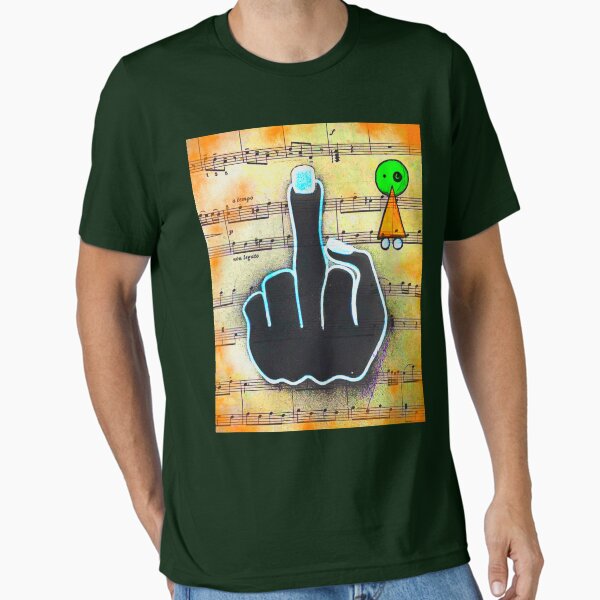
Up Yours By Blink Friction Sarnia de la Mare Art Gallery Essential T-Shirt
£15.35
£20.46 (25% off)


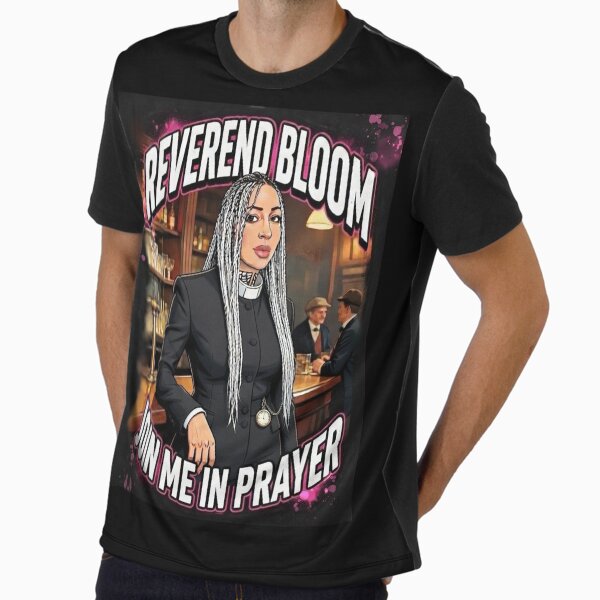
The Reverend Bloom Join Me in Prayer Graphic T-Shirt
£20.89
£27.86 (25% off)


Trump Newspaper Spoof Funny Merch by Politica UK Classic T-Shirt
£15.35
£20.46 (25% off)


The Trump Files no 9 Sketching the News Burning Oil Premium T-Shirt
£23.74
£31.63 (25% off)


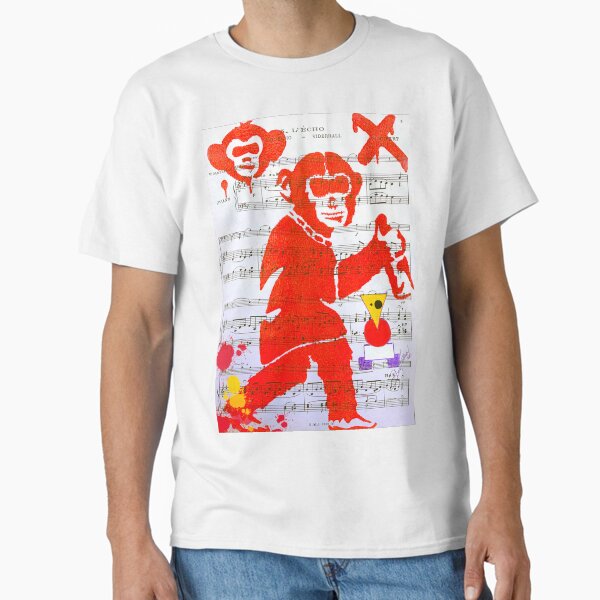
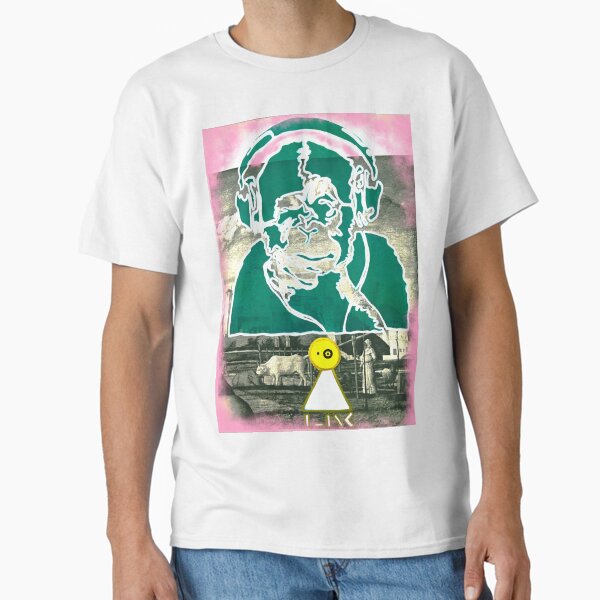
Red Ape Painting by Sarnia de la Mare for Blink Friction Arts Classic T-Shirt
£15.35
£20.46 (25% off)


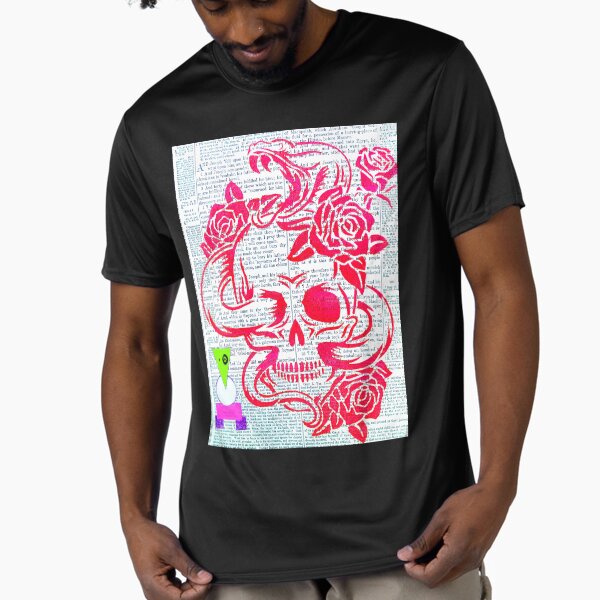
Skull Snake with Sigil by Sarnia de la Mare for Blink Friction Active T-Shirt
£23.13
£30.87 (25% off)


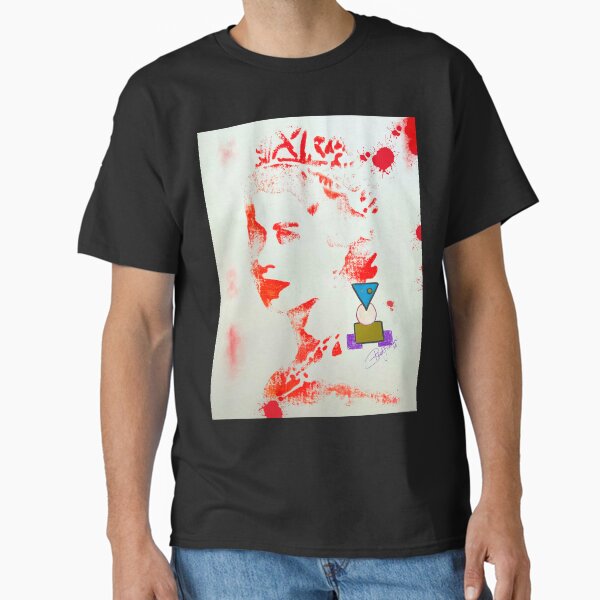
The Queen by Sarnia de la Mare for Blink Friction Classic T-Shirt
£15.35
£20.46 (25% off)


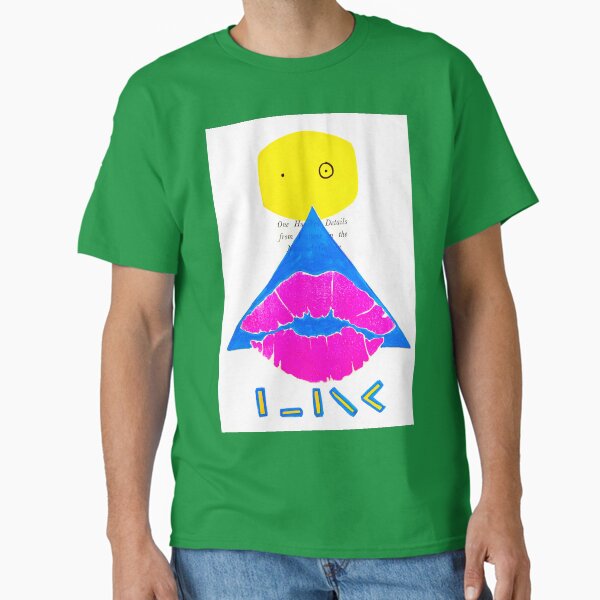
Lips and Sigil Art by Sarnia de la Mare for Blink Friction Classic T-Shirt
£15.35
£20.46 (25% off)


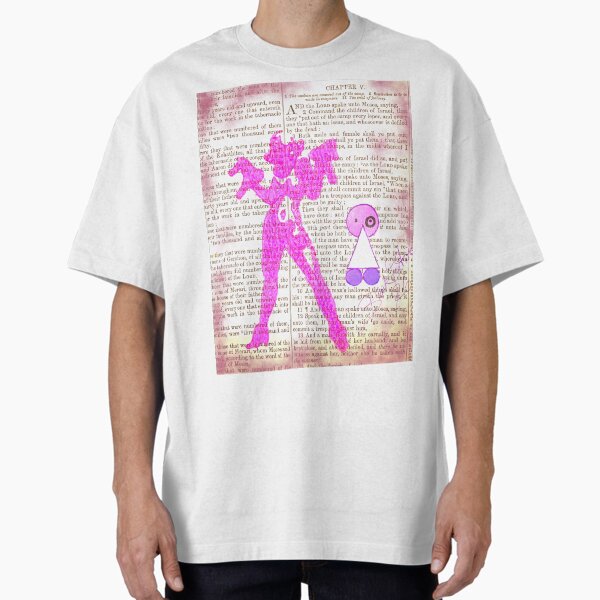
Shotgun Woman by Sarnia de la Mare for Blink Fiction Art Oversized T-Shirt
£21.21
£28.29 (25% off)


Nothing to See Here Urban Brutalism Protest Collage by iServalan Classic T-Shirt
£15.35
£20.46 (25% off)


Ape by Sarnia de la Mare for Blink Friction Reclaim Gallery Classic T-Shirt
£15.35
£20.46 (25% off)


Trumped! — A Political Satire Poster Essential T-Shirt
£15.35
£20.46 (25% off)


BOUND / TRUSSED (Political Protest Art Print) Premium T-Shirt
£23.74
£31.63 (25% off)


Stay Protected — Toxic Policy Protest Art for Politica Uk Long Sleeve T-Shirt
£19.68
£26.23 (25% off)


What if I Die Alone Classic T-Shirt
£15.35
£20.46 (25% off)


Processed by Politica UK Classic T-Shirt
£15.35
£20.46 (25% off)


DEATH BORDERS — State Violence Collage by iServalan Classic T-Shirt
£15.35
£20.46 (25% off)


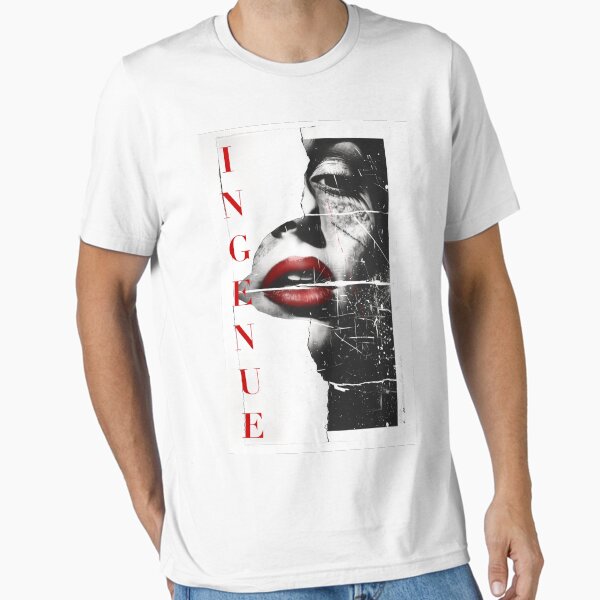
INGENUE — Fractured Face Political Art Print by iServalan Essential T-Shirt
£15.35
£20.46 (25%)

Wednesday, March 11, 2026

🐎 The Taming of Lady Theadora Blunket A Mills and Swoon Romance Short

The Taming of Lady Theadora Blunket A Mills and Swoon Romance Short book cover image

🐎 The Taming of Lady Theadora Blunket
A Mills and Swoon Romance Short by Sarnia de la Maré.

Lady Theadora Blunket was widely considered a problem.

Not a scandal exactly—although there had been murmurs after the incident with the racing stallion and the magistrate’s wig—but she was certainly a difficulty.

At twenty-eight she possessed a respectable dowry, an alarming seat on horseback, and absolutely no interest in matrimony whatsoever.

Her mother blamed the horses.
Her father blamed the French.
Society blamed Theadora.

For while other ladies embroidered roses and fainted charmingly in drawing rooms, Lady Theadora preferred breeches, boots, and the smell of leather and tobacco.

And, on certain evenings, gambling houses.


It was just past midnight in the back rooms of the Golden Crown Gaming Club, where respectable gentlemen went to become slightly less respectable and lose their inheritance.

A tall young “man” leaned against the far table, coat collar high, hat low, a glass of brandy in hand.

He watched the cards with the steady gaze of someone who understood odds—and enjoyed beating them.

This gentleman was, of course, Lady Theadora Blunket.

Her hair was tucked beneath the hat, her figure flattened beneath a waistcoat, and her voice, when she spoke, had acquired a faintly lazy drawl that passed remarkably well among drunk aristocrats.

“Three guineas more,” she said calmly, sliding coins across the table.

Across from her, Lord Peregrine Hawthorne narrowed his eyes.

Lord Peregrine was not accustomed to losing.

He was handsome in a mildly infuriating way—broad-shouldered, dark-eyed, and possessed of the dangerous habit of noticing things other men overlooked.

Tonight, for instance, he had noticed that the young gentleman opposite him had remarkably elegant hands.

And eyelashes that would have caused envy in a debutante.

“Curious,” he murmured.

Theadora raised an eyebrow.

“What is?”

“That I have played cards with half the rakes in London,” Peregrine said softly, “and yet I have never seen you before.”

Theadora shrugged.

“I prefer winning quietly.”

“Indeed.”

He studied her a moment longer.

Then smiled.

It was not a polite smile.

It was a dangerous one.


Theadora won the hand.

She stood, scooping up her winnings with efficient satisfaction.

“Pleasure, gentlemen.”

And turned to leave.

She reached the corridor before a voice behind her said:

“Lady Theadora Blunket.”

She froze.

Slowly, she turned.

Lord Peregrine Hawthorne leaned lazily against the doorway.

Still smiling.

“Well,” he said pleasantly, “this is awkward.”


“You are mistaken,” she said coolly.

“Am I?”

“Entirely.”

Peregrine stepped closer.

“Then perhaps you will explain why the notorious horse-mad daughter of the Earl of Blunket is currently dressed as a young gentleman and emptying pockets in London’s most illegal gaming house.”

Theadora folded her arms.

“Perhaps,” she replied, “I simply enjoy the company.”

He laughed.

It was a low, delighted sound.

“My dear lady, you are the most interesting thing to happen in this club in years.”

“That is because gentlemen here lack imagination.”

“And yet,” he said, stepping closer still, “they do not usually possess breasts.”

Her hand flew instinctively to her waistcoat.

He chuckled.

“Relax. Your secret is safe.”

“Is it?”

“For the moment.”

She glared.

“Blackmail is vulgar, Lord Hawthorne.”

“Curiosity,” he corrected. “And perhaps admiration.”

“Admiration?”

“You ride like a cavalry officer, gamble like a pirate, and terrify three-quarters of the men in Mayfair.”

He paused.

“I find it irresistible.”

Theadora gave a filthy chuckle.

No one had ever said such a thing to her before.

Usually men simply looked confused.

Or faintly injured when confronted with a woman who never even feigned submission for effect.


“You should leave,” she said briskly.

“And miss the entertainment?”

“You intend to follow me?”

“I intend,” Peregrine replied, “to see how far this delightful rebellion extends.”

Theadora turned and strode toward the exit.

He followed.

Of course he did.


Outside, the night air was cool and sharp.

Her horse waited nearby—an enormous chestnut mare that had thrown two stable boys and a visiting baronet.

Theadora swung into the saddle with easy grace as Peregrine watched with open admiration.

“Good Lord,” he murmured.

“What?”

“You mount like a highwayman.”

“I take that as a compliment.”

“You should.”

She gathered the reins.

“Goodnight, Lord Hawthorne.”

“Goodnight, Lady Blunket.”

She nudged the horse forward.

Then stopped.

Because Peregrine had taken hold of the bridle.

“Now,” he said calmly, “we must discuss the matter of taming you.”

Her eyes flashed.

“Taming?”

“Yes.”

“I am not a horse.”

“No,” he said thoughtfully. “You are far more dangerous.”

She leaned down slightly.

“Let go of my horse.”

“Or?”

“Or I shall ride you down.”

He grinned.

“I would rather like to see you try.”

Theadora stared at him for several long seconds.

Then, quite unexpectedly, she laughed.

A bright, wild laugh that startled the sleeping street.

“Very well,” she said.

“Very well what?”

“You may attempt to tame me.”

His eyes gleamed.

“And the rules?”

“If you succeed,” she said, “I shall attend one ball, wear one gown, and behave like a proper lady for one entire evening.”

“A remarkable sacrifice.”

“And if you fail,” she continued sweetly, “you will purchase my horse a year’s worth of oats and never again attempt to interfere with my hobbies.”

Peregrine considered.

Then extended his hand.

“Agreed.”

She shook it.

Firmly.

And immediately regretted it, because his hand closed around hers and pulled her clean off the steed and into his arms.

Now, at this point there was a decision to be made.

Theadora had options.

And wisely or not, she threw caution to the wind, because Lord Peregrine Hawthorne smelled of manliness, gin, and cigars, and because desire spread through her torso and loins like an unrepentant fire as he pulled her against his britches.

Theadora was a woman who knew her mind.

She kissed Peregrine hard as he slid his hand up her stockinged leg and cupped her behind.

“Lord Hawthorne,” she said firmly, “I will not be tamed.”

“That,” he said with a wicked grin, “is absolutely fine by me.”

🐎
Sarnia de la Maré FRSA Twitter Account


Tuesday, March 10, 2026

♥️ Virginia Woolf and Vita Sackville-West: The Love Story Behind Orlando #truelove #romance #millsandswoon


Welcome to the History of True Love Romance at Mills and Swoon.

Tonight’s story takes us to the salons and drawing rooms of early twentieth-century London, where literature, art, and scandal often mingled freely among the cleverest minds of the age. It was here, in the unconventional world of the Bloomsbury Group, that one of the most intriguing love affairs in literary history unfolded between two remarkable women: Virginia Woolf and Vita Sackville-West.

Virginia Woolf was already establishing herself as one of the most innovative writers of her generation. Brilliant, thoughtful, and deeply introspective, she was fascinated by the workings of the mind and the subtle movements of emotion. Her novels challenged the rigid storytelling traditions of the Victorian era and replaced them with something more fluid, more psychological, and more daring.

Vita Sackville-West was different in almost every way. Tall, glamorous, and aristocratic, she moved through society with a confidence that Virginia found both amusing and irresistible. Vita was a writer too, though her life was also filled with travel, social engagements, and the complicated freedoms of an unconventional marriage.

Both women were married when they met in the early 1920s. Virginia’s husband, Leonard Woolf, was a thoughtful and supportive partner who shared her intellectual world. Vita’s husband, Harold Nicolson, was a diplomat and writer who understood and accepted her romantic independence.

Their marriages, unusually for the time, allowed a certain emotional freedom.

When Virginia and Vita were introduced, the attraction between them grew quickly. Vita was captivated by Virginia’s mind and wit, while Virginia found Vita’s confidence and physical presence deeply compelling.

Soon they began exchanging letters.

The letters reveal a relationship filled with admiration, affection, and unmistakable flirtation. Vita often wrote with playful boldness, while Virginia responded with a mixture of humour and emotional vulnerability.

At times their language was teasing and light; at others it became intensely affectionate.

Their relationship eventually became romantic, though it was never simple. Vita travelled frequently and had other relationships, while Virginia struggled with periods of mental illness that made emotional intensity difficult to sustain.

Yet the connection between them remained powerful.

Virginia once described Vita as possessing a kind of aristocratic magnetism, writing that she admired not only her beauty but the self-assurance with which she moved through the world. Vita, in turn, adored Virginia’s intelligence and often praised the brilliance of her writing.

One of the most extraordinary results of their relationship was a novel.

In 1928 Virginia Woolf published Orlando, a playful and imaginative story about a nobleman who lives for centuries and eventually transforms into a woman. The novel moves across time, identity, and gender with a lightness that was revolutionary for its time.

Though whimsical on the surface, the book was in many ways a love letter to Vita.

The character of Orlando was inspired directly by her: adventurous, aristocratic, and strangely timeless. Vita recognised herself immediately and was delighted by the tribute.

Their romantic relationship eventually softened into deep friendship, but the affection between them never truly faded. They continued writing to one another and remained part of the same intellectual circle until Virginia’s death in 1941.

Today their letters offer a fascinating glimpse into a relationship that was at once romantic, creative, and intellectually rich. It was not a conventional love story, but perhaps that is precisely what makes it enduring.

Virginia Woolf and Vita Sackville-West remind us that love does not always follow the rules of its time. Sometimes it appears in unexpected places—between two writers exchanging letters, ideas, and admiration—and leaves behind something lasting not only in memory, but in literature itself.

Their story is a reminder that romance can inspire creativity as powerfully as it inspires the heart. And in this case, it produced one of the most original novels ever written, born from the meeting of two extraordinary minds.


Elderescence Academy artwork

Elderescence Academy™

The Book of Immersion artwork

The Book of Immersion™

Continuum Music Studio artwork

Continuum Music Studio

Tale Teller Kids artwork

Tale Teller Kids™

Mills and Swoon artwork

💋 Mills and Swoon™

Ginny Greaves Private Eye artwork

Ginny Greaves™ Private Eye

Politica UK artwork

Politica UK™

The Blink Friction Project Shop is Such a Buzz today! So many visitors.

 If you love reclaimed fasion, welcome to my world. Blink Friction is all about repurpose and saving the planet. Daily stock updates with so...

Explore the Tale Teller Podcast Network

Blink Friction